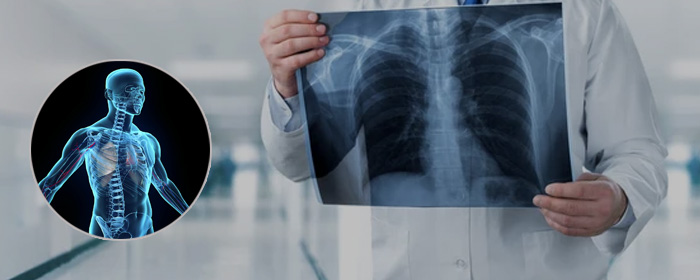
Radiology is a branch of medicine that uses imaging technology to diagnose and treat disease. Radiology may be divided into two different areas, diagnostic radiology and interventional radiology. Doctors who specialize in radiology are called radiologists.
Radiology is also known as diagnostic imaging. The process involves multiples tests, which require projecting and picturing various parts of the body. Radiology is useful in several operations such as CT scan, MRI, X-ray, ultrasound, etc required during diagnosis.
As mentioned above, radiology is needed in various treatment processes. So let us now discuss its essential role in the process:
X-rays: Radiology first came to light because of X-ray; after this, it took medical science to another level. It helped us see our body’s internal parts, which helped diagnose bone and disease that would not have been possible. X-rays use radiation to look for dysfunctional objects or bones inside the body that may cause the problem. This process allows the doctor to analyze any bone structure mistake, which can help treat you better.
Other picturing or imaging: Besides X-ray, radiology helps in imaging procedures in other imaging processes as well. Through this technology, doctors and surgeons can access real-time pictures of the inside body.
Radiographers importance: For providing better treatment, doctors require correct diagnosis results. Thus they largely depend on radiographers. Radiographers’ roles are not only limited to carry out a diagnosis. But they also provide mental and physical support to patients. Moreover, this support helps the patient prepare for their test.
Radiology allows you to get better treatment for yourself by looking at your insides’ perfect real-time image. Every hour daily, an average of eight people carry out this process in which three of them suffering from cancer. Doctors will not be able to cure a patient without radiology. In most cases, the physicians and doctor rely on the radiology examination result for treating patients. Radiologist helps the physician by guiding them through the reports and treatment options.