A joint is a point where two bones make contact. Joints can be classified either histologically on the dominant type of connective tissue functionally based on the amount of movement permitted. Histologically the three joints in the body are fibrous, cartilaginous, and synovial.
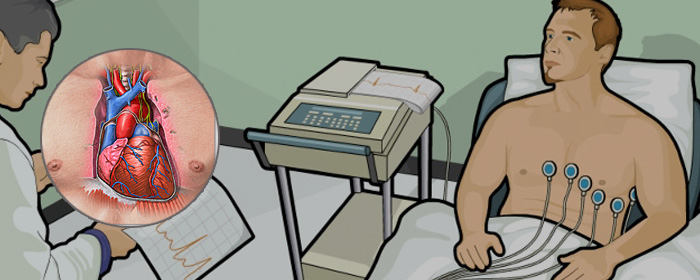
Because a typical ECG tracks your heart’s electrical activity for a very short time, it probably won’t pick up irregularities that only happen once in a while. It’s like when your internet is acting up but seems fine when someone comes to repair it. To capture these erratic issues, your provider can give you:
Holter monitor: You wear this device for 24 to 48 hours to get a continuous recording of your heart’s electrical activity for that time frame
Event monitor: You wear this device for a week or more and may need to click a button to start recording when you feel symptoms
Your healthcare provider uses an EKG to:
Assess your heart rhythm to see if it’s normal or if you have arrhythmia
Diagnose poor blood flow to your heart muscle (ischemia) because of coronary artery disease
Diagnose a heart attack
Diagnose abnormalities of your heart, such as heart chamber enlargement and abnormal electrical conduction
Diagnose heart damage or heart failure
Make sure you’re fit for an upcoming surgery
Your provider may give you an EKG test because you have:
Chest pain
Shortness of breath
Tiredness
Dizziness
A flutter or skip in your heartbeat
A fast heartbeat
Before an ECG, you can eat and drink like you normally would. However, you’ll want to keep the following in mind before you get dressed on the day of your ECG test:
Avoid oily or greasy skin creams and lotions the day of the test. They interfere with electrodes making good contact with your skin
Avoid full-length hosiery, as electrodes need to be placed directly on your legs
Wear a shirt that you can remove easily to place the leads on your chest
Your ECG results may show that you have:
A heart rhythm that’s irregular, too fast or too slow
A heart attack (past or present)
Heart walls that are getting thicker (cardiomyopathy) or stretched out (aneurysm)
A problem getting enough blood to your heart
Heart failure.